March 2024 - Copied from the Club Facebook pages.
Hi Members,
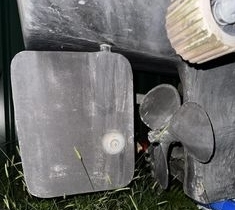
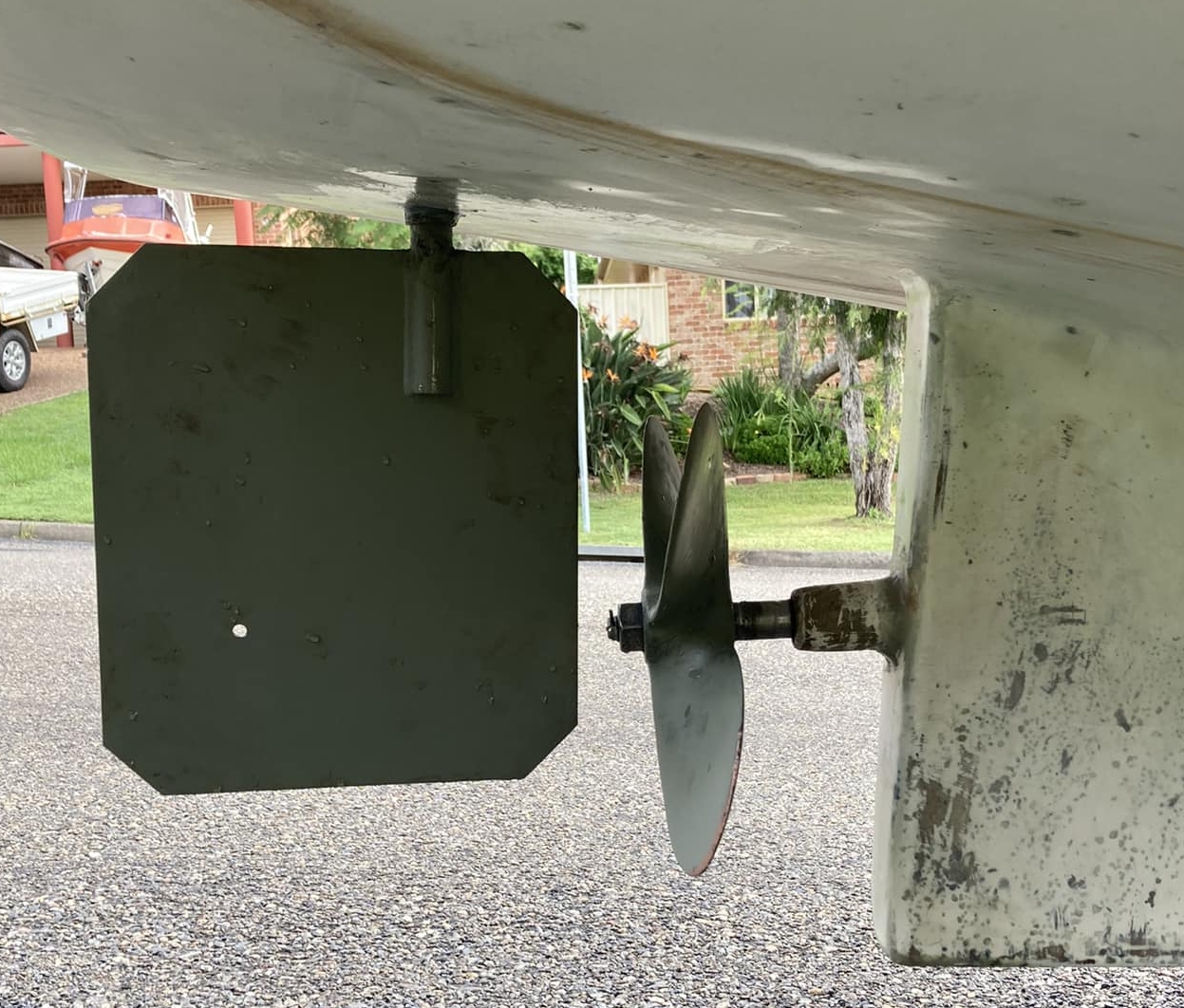
What would be the ideal distance between the prop and rudder. Steering the boat in a straight direction is very very difficult ?
The boat had a MD7 volvo Penta but now has Bukh DV20 but I have not modified the prop shaft yet, so I’m asking the group.
More pics and some thoughts and observations.
A rudder would normally be made thick, sometimes shapped and strong for multiple reasons.
Shouldn’t flex when under pressure.
Should create positive pressure on one side and negative on the other causing the rudder to apply a turning force to the shaft holding the rudder to turn the boat. Positive force on one side pushing and negative force on the other side pulling the boat around in an even way.
If you use a thin peice of plate it will most likely flex and reduce the effect on a bulky heavy tub like a deltacraft.
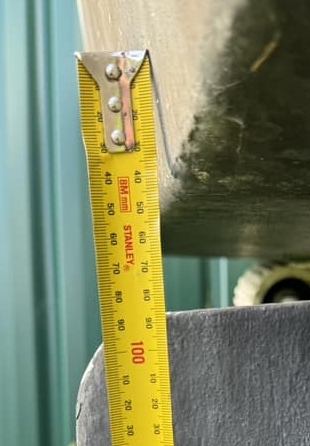
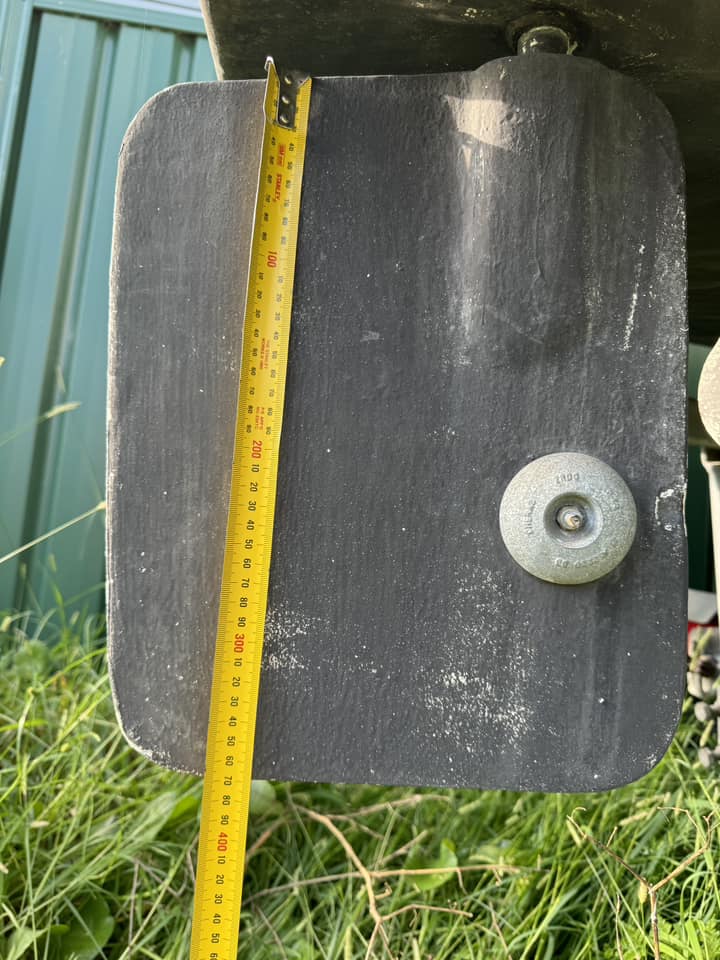
I have photos with measurements attached.
Width - 300mm. Height - 379mm. Clearance from hull - 20mm.

Comment
You can see the rudder goes past the back of the boat and is big enough in surface area to push/pull the boat around. I hope I explained that well enough for people to understand the science a little.
Yeah his rudder looks a bit home made. Maybe they Dui d up a smaller one.
A thicker, shaped rudder is often better for performance, control, and durability, particularly for larger boats or those operating in challenging conditions. The increased cost and weight are usually justified by the improvements in maneuverability and the longevity of the rudder.
Comment Yeah his rudder looks a bit home made. Maybe they Dui d up a smaller one.
Comment
The slower the boat the harder they are to steer in a straight line,
and as they get older and the more play they have in all the steering components the even harder they get.
I doubt moving the prop would have any noticeable difference.
If you can maybe move it forward a touch just so there is less overhang and the shaft bearing.
FYI you will get used to the steering and learn to fine tune your helm adjustment
Comment
I'm wondering if the rudder went a bit deeper weather it would make any difference. My boat has a deep keel n rudder to match n tracks pretty well.
Stephen Leonard Comments
About twenty percent of the prop thrust is lost outboard of the propeller so it’s important to minimise distance between rudder and hull , the helps a great deal steering which assists directional stability that we are talking about , so we have a keel to do its job also but through trials if the keel is too long it will overcome the rudders effectiveness we found, I agree with previous comments
Comment
Rudder too small needs to be deeper to cover prop thrust
Comment
Looks ok to me. Mine is about the same. I doubt it would make any difference if it were further forward.
Comment
It looks to be the same as my mk2. Only thing I did different was to make the rudder 50mm deeper and put another gusset to stop the rudder from flexing. Big difference in control.
Comment
Is it just a piece of thin flat sheet steel or alloy? How thick and is it shaped at all?
Could it be flexing in the water if homemade?
Comment
That rudder is way too small.
Comment
A thicker, shaped rudder is often better for performance, control, and durability, particularly for larger boats or those operating in challenging conditions. The increased cost and weight are usually justified by the improvements in maneuverability and the longevity of the rudder.
Comment
Couple of others interesting things you could cover would be *balanced, *semi balanced and *unbalanced rudders and prop wash effecting a rudder’s performance.
Comment
Yes it’s a complex subject. Looking at rudders on race sailing boats vs ski boats and such.
Similar to my windsurfing fins that are different sizes, shapes and sweeps for different speeds, waters and board types. It’s a science.